
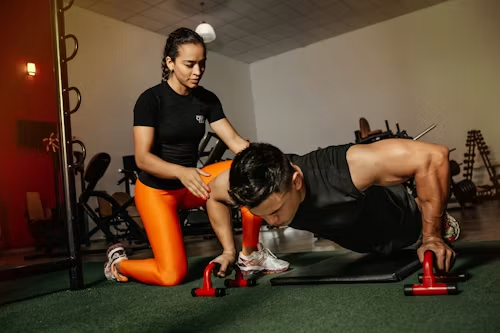
Physical activity plays an important role in a young person’s development. Youth fitness training can provide children and teenagers with opportunities to become stronger, improve their physical abilities, and develop healthy habits that can continue into adulthood. When training is designed around a young person’s age, ability, and development, it can support physical fitness while also making exercise enjoyable and motivating.
Supports Healthy Physical Development
Youth fitness training can help children and teenagers develop strength, coordination, balance, flexibility, and endurance. Regular physical activity encourages young people to use their bodies in different ways and develop better control over movement.
Age-appropriate resistance exercises, bodyweight movements, running, jumping, and other activities can contribute to overall physical development. Proper guidance is important because young people are still growing, and exercises should be adapted to their individual abilities.
Building physical fitness at a young age can also help young people feel more confident when participating in sports, school activities, and everyday physical tasks.
Builds Strength And Fitness
Strength and cardiovascular fitness are important components of overall physical health. Youth fitness training can introduce young people to exercises that gradually develop these areas without making exercise unnecessarily complicated.
Training may include activities such as squats, lunges, controlled resistance exercises, running, cycling, swimming, or sport-based drills. A qualified trainer can adjust exercises according to age and experience and ensure that young people learn appropriate movement techniques.
The focus should be on developing good habits and physical skills rather than simply trying to achieve maximum performance.
Encourages Confidence And Self-Esteem
The benefits of youth fitness training are not limited to physical development. Learning new movements and seeing personal improvement can help young people develop confidence.
Successfully completing an exercise, improving coordination, or reaching an achievable fitness goal can provide a sense of accomplishment. Training can also teach young people that progress takes time and that consistent effort can produce results.
A positive training environment can make exercise feel rewarding rather than something young people are forced to do.
Develops Healthy Long-Term Habits
Introducing young people to enjoyable physical activity can help establish healthy habits that may continue throughout their lives. Children and teenagers who learn how to exercise safely and understand the importance of staying active may be more likely to remain physically active as they grow older.
Youth fitness training can also teach useful principles such as warming up, cooling down, maintaining proper technique, staying hydrated, and allowing adequate recovery.
Rather than focusing solely on appearance or weight, training should encourage young people to appreciate exercise for its contribution to strength, health, confidence, and overall wellbeing.
Teaches Discipline And Teamwork
Fitness training can also help young people develop valuable personal and social skills. Following a training programme requires commitment, consistency, and patience. Young people can learn to set realistic goals and work towards them gradually.
Group sessions can provide opportunities to communicate with others, cooperate during activities, and encourage teammates. These experiences can support social development and teach young people how to work towards shared goals.
Youth fitness training should always be appropriate for the individual’s age and development, with qualified supervision where necessary. Exercise should be challenging without becoming excessive, and young people should have sufficient time for rest and recovery.